
 Business License

Does the Doosan D34P Diesel Engine require special ventilation during operation?
As a supplier of the Doosan D34P Diesel Engine, I am often asked various technical questions, and one of the most frequently asked questions is whether the Doosan D34P Diesel Engine requires special ventilation during operation. In this blog post, I will delve into this topic and provide a comprehensive answer based on scientific and practical knowledge.
Why Ventilation is Crucial for Diesel Engines
Before we specifically discuss the Doosan D34P Diesel Engine, it is essential to understand why ventilation is crucial for diesel engines in general. Diesel engines work by burning diesel fuel in a combustion chamber. This combustion process produces a significant amount of heat and exhaust gases, including carbon monoxide (CO), nitrogen oxides (NOx), and particulate matter (PM).
Excessive heat can cause engine components to overheat, leading to reduced efficiency, increased wear and tear, and even engine failure. High temperatures can also damage surrounding materials and pose a fire hazard. On the other hand, exhaust gases are harmful to both human health and the environment. Carbon monoxide is a colorless and odorless gas that can be fatal if inhaled in high concentrations. Nitrogen oxides contribute to the formation of smog and acid rain, while particulate matter can cause respiratory problems.
The Doosan D34P Diesel Engine: A Brief Overview
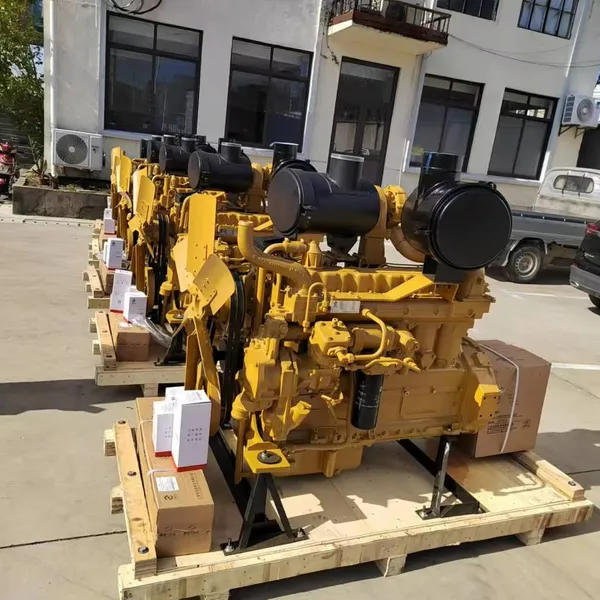
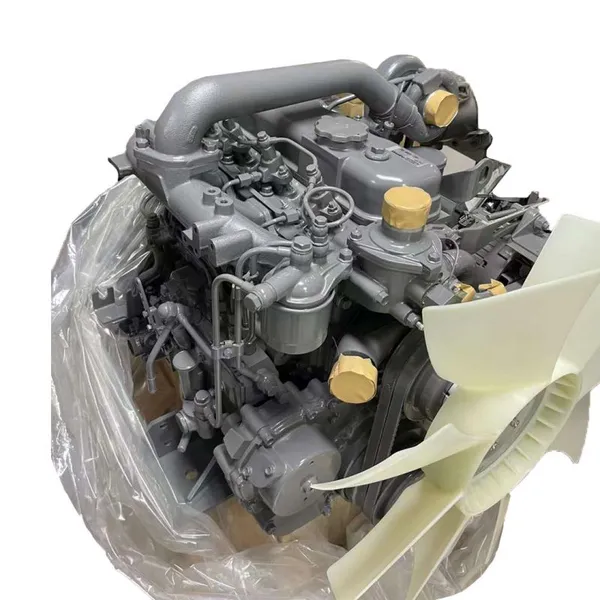
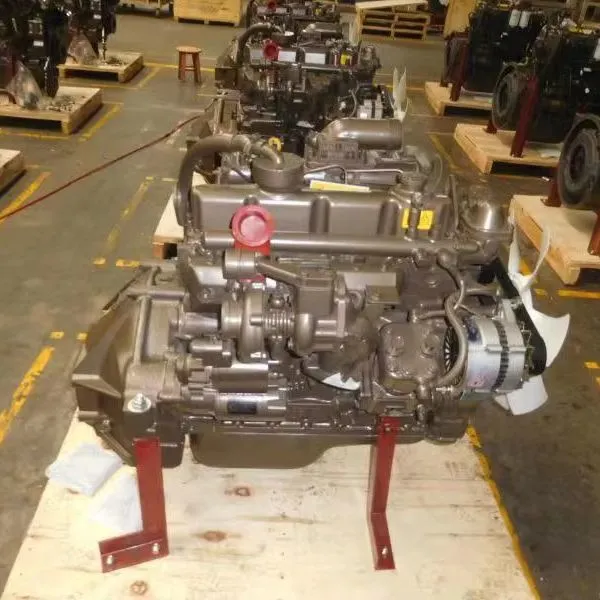
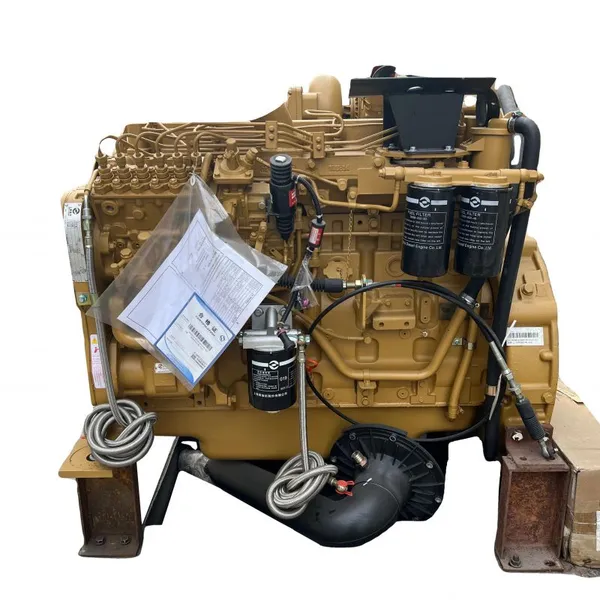
The Doosan D34P Diesel Engine is a well - known and reliable power source used in a variety of applications, such as forklifts and small construction equipment. It is designed to provide high power output with relatively low fuel consumption. With its advanced technology and robust construction, it has been favored by many industries. However, like all diesel engines, it generates heat and exhaust gases during operation.
Special Ventilation Requirements for the Doosan D34P Diesel Engine
The answer is yes, the Doosan D34P Diesel Engine does require special ventilation during operation. Here are the reasons and specific requirements:
Heat Dissipation
The Doosan D34P Diesel Engine produces a large amount of heat during the combustion process. To maintain optimal operating temperatures, proper ventilation is needed to remove this heat. Inadequate ventilation can cause the engine coolant temperature to rise, leading to overheating. Overheating can result in a decrease in engine power, increased fuel consumption, and potential damage to engine components such as the cylinder head, pistons, and gaskets.
A well - designed ventilation system should ensure that there is a continuous flow of fresh air around the engine. This can be achieved through the use of intake and exhaust vents. The intake vent should be located in an area where it can draw in clean, cool air, while the exhaust vent should be positioned to expel hot air efficiently.
Exhaust Gas Removal
As mentioned earlier, the combustion of diesel fuel in the Doosan D34P Diesel Engine produces harmful exhaust gases. In a closed or poorly ventilated space, these gases can accumulate to dangerous levels. Special ventilation is required to dilute and remove the exhaust gases from the engine area.
The ventilation system should be capable of providing an adequate amount of fresh air to ensure that the concentration of harmful gases remains below the permissible limits. For example, the Occupational Safety and Health Administration (OSHA) has set standards for the allowable levels of carbon monoxide and other pollutants in the workplace. To meet these standards, the ventilation rate needs to be carefully calculated based on the engine's power output, operating conditions, and the size of the enclosed space.
Preventing Combustible Gas Accumulation
In addition to heat and exhaust gases, diesel engines can also produce small amounts of combustible gases. If these gases accumulate in a confined space, they can pose an explosion hazard. Proper ventilation helps to prevent the build - up of combustible gases by continuously removing them from the engine area.
Examples of Ventilation Systems for the Doosan D34P Diesel Engine
Depending on the application, there are different types of ventilation systems that can be used for the Doosan D34P Diesel Engine.
Natural Ventilation
In some open - air applications, natural ventilation may be sufficient. This involves relying on the natural movement of air to carry away heat and exhaust gases. For example, if the engine is installed in an open - top forklift operating in an open yard, the wind and the natural convection of air can help to ventilate the engine area. However, natural ventilation may not be reliable in all situations, especially in areas with low wind speeds or in enclosed spaces.
Recently Posted
-
Complete Guide to Replacing the Belt on a Cummins 4BTA3.9-100
August 6, 2026Last week, the nearly 8-year-old excavator on the construction site started screeching after only half an hour of work. Opening th Read More
 -
Cummins 6CT8.3 Power Upgrade Guide
August 4, 2026As a veteran operator with many years of experience in the construction equipment industry, I've seen far too many excavators Read More
 -
What is the piston ring gap in a Komatsu diesel engine?
July 24, 2026Hey there! As a supplier of Komatsu diesel engines, I often get asked about various technical aspects of these engines. One questi Read More
 -
What brand makes good Deutz engine oil pumps?
July 17, 2026When it comes to Deutz engines, the oil pump is a critical component that ensures proper lubrication and smooth operation. As a De Read More

Contact Us
Recommended Products
-
 New 129 kW QSB6.7 Diesel Engine Excavator Construction Machinery Electric Start Water-Cooled Core Including Motor PumpUS$ 1888.00 - 3888.00MOQ: 1 Unit
 -
Wholesale Diesel Engine Genuine 4 Stroke Direct Injection Doosan DL08 Engine for SaleUS$ 4558.00 - 4800.00MOQ: 1 Unit
-
Factory Price DOOSAN DL06 Construction Machinery Motor 6 Cylinder 115kw Water-Cooled With Core Components Engine and PumpUS$ 4752.00 - 5000.00MOQ: 1 Unit
-
Factory Price 4 Stroke 115kw Doosan DB58 Complete Engine Assy for Dx220 ExcavatorUS$ 3450.00 - 3650.00MOQ: 1 Unit
-
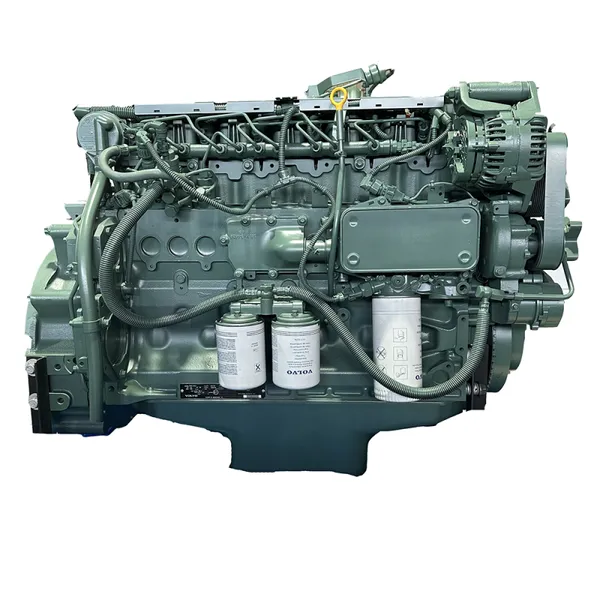
Factory Manufacture 123kw 4 Stroke Volvo D6e Machinery Engine for Construction MachineryUS$ 7500.00MOQ: 1 Unit
-
New BF6M2012C Cylinder 4-stroke Original Water-cooled Generator With Live Start FunctionUS$ 4500.00 - 5400.00MOQ: 1 Unit
-
Original Water Cooled 4 Stroke 6 Cylinder DEUTZ TCD2012062V Machinery EnginesUS$ 4888.00 - 5081.00MOQ: 1 Unit
-
Factory Outlet 6 Cylinder 250HP 2200rpm 6C8.3-C250 Construction Machinery Engines for CuminsUS$ 34627.00 - 36450.00MOQ: 1 Unit
-
1104D-44TA Diesel Engine 83kw New Water-Cooled Machine With Electric Start and Pump Good Price Per UnitUS$ 3700.00 - 4200.00MOQ: 1 Unit
-
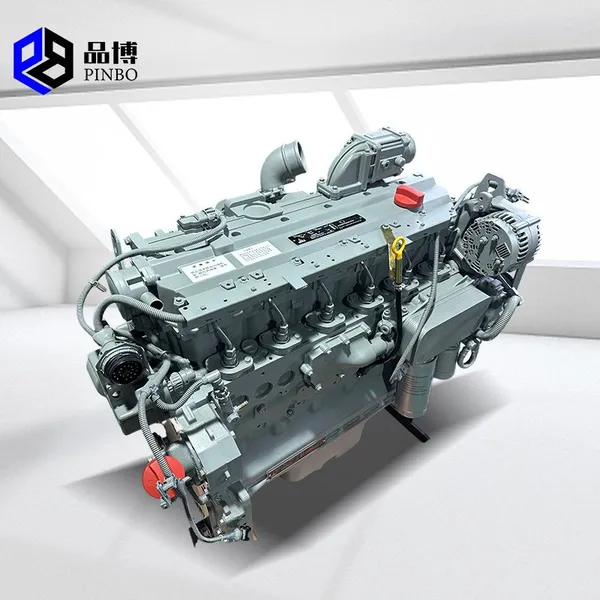
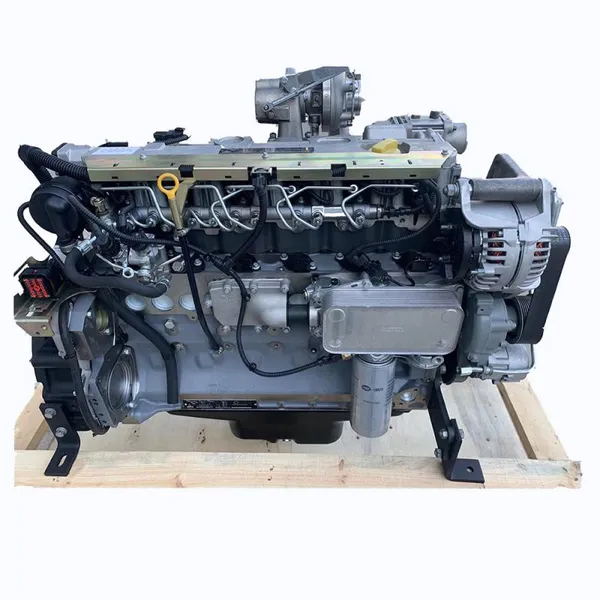
Original Water Cooled 4 Stroke DEUTZ TCD 2013 L06 2V Machinery Engines for SaleUS$ 7070.00 - 7443.00MOQ: 1 Unit
-
Excavator Engine Assy QSL8.9 Complete Engine Assembly CUMMINS Qsl 9 Diesel EngineUS$ 4300.00 - 4600.00MOQ: 1 Unit
-
Genuine Vovo D4d EAE2 Diesel Engine for VOLVO EC140 ExcavatorNegotiableMOQ: 1 Unit
-
Factory Outlet 6 Cylinder 250HP 2200rpm 6C8.3-C250 Construction Machinery Engines for CuminsUS$ 4700.00 - 5100.00MOQ: 1 Unit
-
Good Price 153kw 4 Stroke Electric Start D7E Diesel Engine for Construction MachineryUS$ 8350.00MOQ: 1 Unit
-
WEICHAI 178kw 4 Stroke WD10G240E203 Diesel Engine for SEM660D SEM660B Wheel LoaderUS$ 3920.00 - 4127.00MOQ: 1 Unit
-
Dongfeng Shanghai SC11CB220G2B1 6-Cylinder Diesel Engine 162kw (220hp) SDEC 3306 New Condition Core Included Farm MachineryUS$ 6500.00MOQ: 1 Unit
-
ISUZU 4 Cylinder Diesel Engine 4BG1 Machinery Engines for Kobelco SK135 ExcavatorUS$ 6800.00MOQ: 1 Unit
-
130Hp Diesel Engine YC4D130 Yuchai Diesel Motor Price for TruckUS$ 3400.00 - 3600.00MOQ: 1 Unit
-
Shanghai SDEC SC9D220G2 162KW Diesel Engine for SEM922 SEM921 GraderUS$ 5320.00 - 5600.00MOQ: 1 Unit
-
Factory Outlet Sinotruk D1242 Engine Assembly for Construction IndustryUS$ 4615.00 - 4858.00MOQ: 1 Unit