
 Business License

How does the 6BTA5.9-C180 engine handle sudden load changes?
Recently, a Cummins 6BTA5.9-C180 rotary drilling rig suddenly got its drill rod stuck in a boulder, causing the load to jump to full. The engine struggled to keep up, emitting black smoke, and even the idle speed became extremely shaky. During inspection, it was discovered that many people using this machine are completely unaware of its inherent "sudden load resistance buff," and most malfunctions are caused by improper operation and maintenance.
Today, let's set aside the dry parameters in the manual and talk about some practical experience gained from working on construction sites.
This 6-cylinder 5.9-liter engine is specifically designed for heavy-duty conditions—it has a rated power of 180 horsepower, calibrated at 132kW@2200rpm, and features a turbocharged, water-cooled, and air-cooled configuration. What impressed me most was its torque plateau; it delivers maximum torque at just 1400-1600 rpm, meaning it's not a machine that relies on high RPMs. Many novice drivers make the mistake of constantly revving the engine above 2000 RPM, like driving a small car. When faced with sudden loads—like a rotary drilling rig hitting hard rock, an irrigation pump's inlet suddenly getting clogged, or a loader's bucket plunging into a pile of material—if you haven't pre-emptively lowered the RPM to the golden torque range of around 1500 rpm, it's too late to reduce the RPM after the load hits.
Three hidden "load-resistance tricks" from the manufacturer that 90% of people don't use:
The first is its mechanical governor's "speed reduction compensation" function. Many people like to set the idle speed very high when adjusting the throttle, thinking it will prevent stalling. The factory-set idle speed of 750±50rpm is actually reasonable—the preload of the spring inside the governor is precisely matched. As long as you don't arbitrarily adjust the limit screw on the governor, it will automatically compensate for the fuel pump's supply in advance when the engine speed suddenly drops, much faster than manually pressing the accelerator.
The second point is the turbocharger's response redundancy. This engine's turbocharger isn't the kind that extremely pursues high boost pressure. Its turbocharger housing has undergone special airflow optimization, so even if the engine speed drops instantly from 1800rpm to 1300rpm, there won't be a noticeable "turbo lag gap." However, this requires proper maintenance of the air cooler—construction sites are dusty, and the intercooler fins need to be blown with compressed air every two weeks. If they're clogged with sludge and catkins, the intake air temperature will skyrocket, reducing boost efficiency by a third, rendering even the most powerful turbocharger useless.
The third point is its fuel system's "pressure stabilization capability." This machine uses a mechanical plunger-type high-pressure fuel pump. As long as you strictly adhere to the diesel filter replacement cycle within 200 hours, ensuring there are no air bubbles in the fuel system, the fuel pressure won't drop drastically during sudden load spikes.
On-site Operation: 3 Steps to Minimize Damage from Sudden Load Increases
Step 1: Anticipate the operating conditions and reduce engine speed in advance. For example, when using a rotary drilling rig, don't rev the engine to its maximum when lowering the drill rod. Wait two or three seconds before the drill teeth contact the rock layer, then stabilize the speed in the 1400-1600 rpm range.
Step 2: Don't slam on the accelerator when the load suddenly increases. Many people's first reaction upon seeing the engine speed drop is to floor the accelerator, which is the dumbest thing to do. Injecting too much diesel fuel instantly, with insufficient oxygen, results in black smoke in the cylinders that isn't burned properly, and carbon buildup can quickly clog the piston rings and fuel injectors. The correct approach is to maintain a relatively constant throttle opening, slightly reduce the pressure from the drill rod, wait for the engine speed to stabilize, and then slowly increase the load.
Step 3: To immediately unload the load in case of extreme jamming. If a large boulder completely jams the drill pipe, causing the engine speed to drop below 1000 RPM, don't try to force it. Immediately return the drill pipe pressure handle to the neutral position and pull the drill. Hold it for three to five seconds; the instantaneous pressure on the connecting rod bearing can reach two to three times the normal level. A machine that could normally last 10,000 hours might break after two or three such experiences.
Frankly, this 6BTA5.9-C180 engine has been through countless construction site trials and tribulations; it's not a delicate machine. Its ability to handle sudden loads doesn't rely on any advanced technology, but rather on understanding its torque characteristics, avoiding reckless driving, and maintaining it according to regulations to unleash its inherent design potential. Many owners say this engine is old and lacks power, but this is mostly due to improper operation and maintenance in the past few years, damaging its fundamental structure.
Recently Posted
-
How to replace the spark plugs of Xichai diesel engine (if applicable)?
August 11, 2026As a trusted supplier of Xichai diesel engines, I understand the importance of maintaining these powerful machines to ensure optim Read More
 -
Complete Guide to Replacing the Belt on a Cummins 4BTA3.9-100
August 6, 2026Last week, the nearly 8-year-old excavator on the construction site started screeching after only half an hour of work. Opening th Read More
 -
Does the Doosan D34P Diesel Engine require special ventilation during operation?
August 4, 2026As a supplier of the Doosan D34P Diesel Engine, I am often asked various technical questions, and one of the most frequently asked Read More
 -
Cummins 6CT8.3 Power Upgrade Guide
August 4, 2026As a veteran operator with many years of experience in the construction equipment industry, I've seen far too many excavators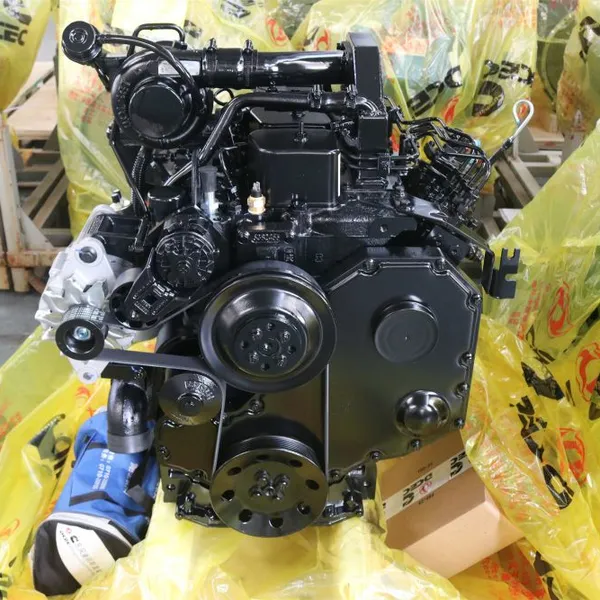 Read More

Contact Us
Recommended Products
-
 New 129 kW QSB6.7 Diesel Engine Excavator Construction Machinery Electric Start Water-Cooled Core Including Motor PumpUS$ 1888.00 - 3888.00MOQ: 1 Unit
 -
Wholesale Diesel Engine Genuine 4 Stroke Direct Injection Doosan DL08 Engine for SaleUS$ 4558.00 - 4800.00MOQ: 1 Unit
-
Factory Price DOOSAN DL06 Construction Machinery Motor 6 Cylinder 115kw Water-Cooled With Core Components Engine and PumpUS$ 4752.00 - 5000.00MOQ: 1 Unit
-
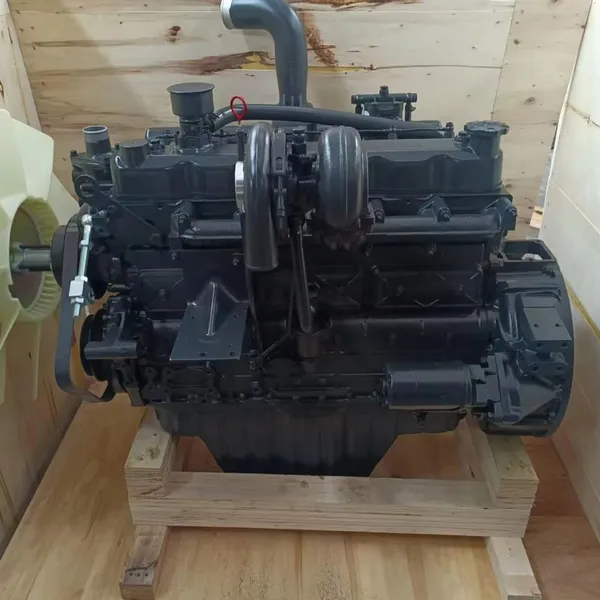
Factory Price 4 Stroke 115kw Doosan DB58 Complete Engine Assy for Dx220 ExcavatorUS$ 3450.00 - 3650.00MOQ: 1 Unit
-
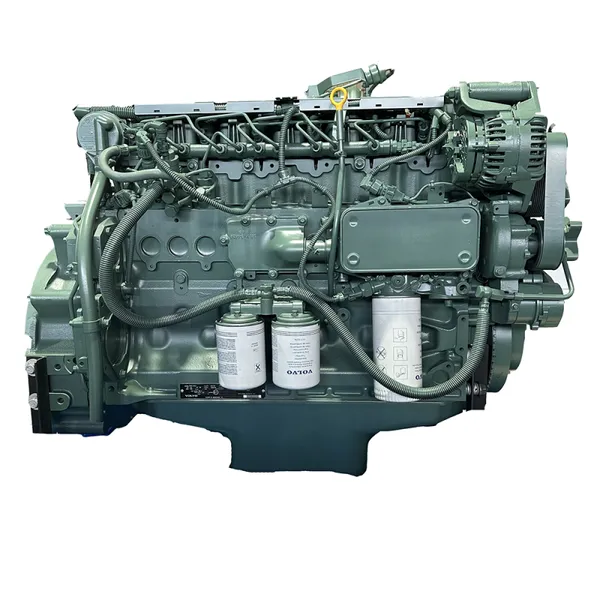
Factory Manufacture 123kw 4 Stroke Volvo D6e Machinery Engine for Construction MachineryUS$ 7500.00MOQ: 1 Unit
-
New BF6M2012C Cylinder 4-stroke Original Water-cooled Generator With Live Start FunctionUS$ 4500.00 - 5400.00MOQ: 1 Unit
-
Original Water Cooled 4 Stroke 6 Cylinder DEUTZ TCD2012062V Machinery EnginesUS$ 4888.00 - 5081.00MOQ: 1 Unit
-
Factory Outlet 6 Cylinder 250HP 2200rpm 6C8.3-C250 Construction Machinery Engines for CuminsUS$ 34627.00 - 36450.00MOQ: 1 Unit
-
1104D-44TA Diesel Engine 83kw New Water-Cooled Machine With Electric Start and Pump Good Price Per UnitUS$ 3700.00 - 4200.00MOQ: 1 Unit
-
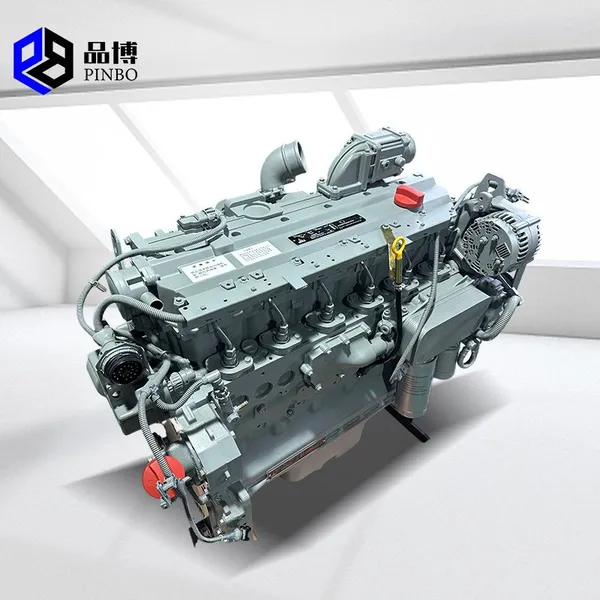
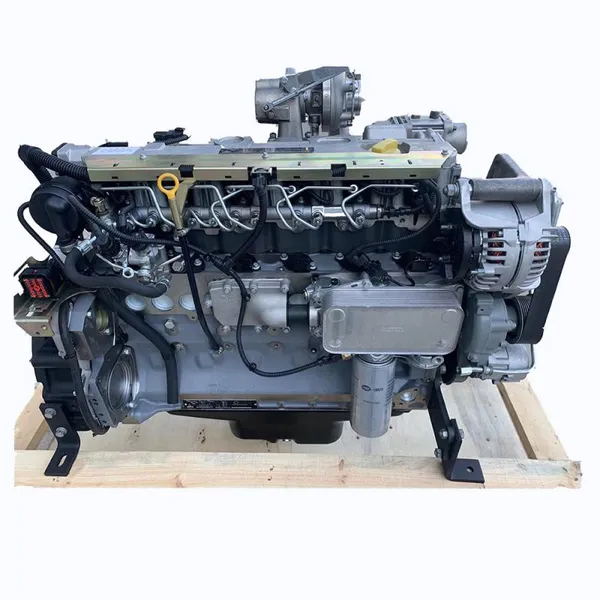
Original Water Cooled 4 Stroke DEUTZ TCD 2013 L06 2V Machinery Engines for SaleUS$ 7070.00 - 7443.00MOQ: 1 Unit
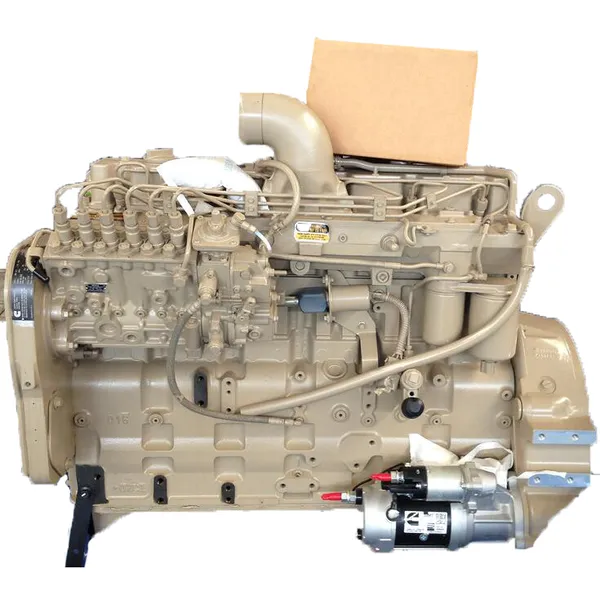
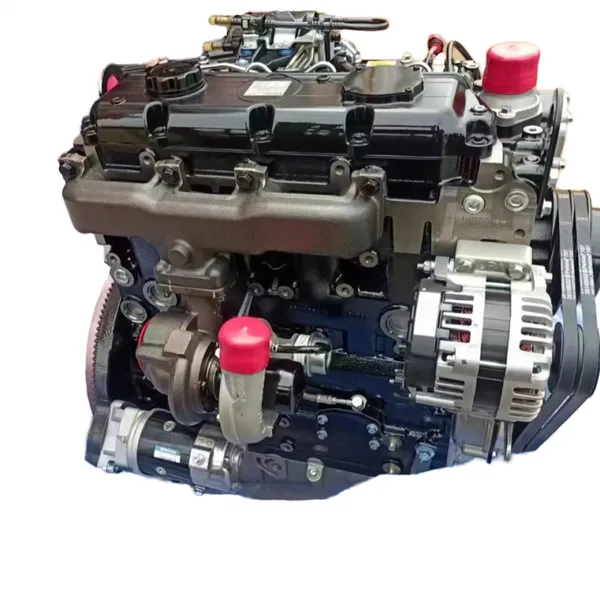
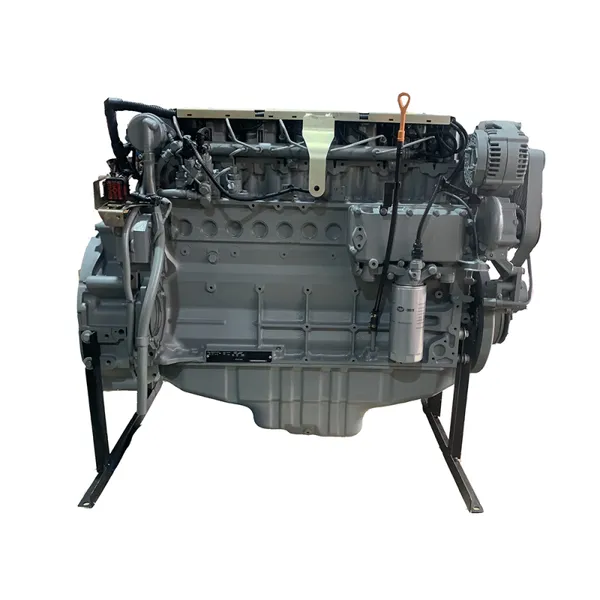
-
Excavator Engine Assy QSL8.9 Complete Engine Assembly CUMMINS Qsl 9 Diesel EngineUS$ 4300.00 - 4600.00MOQ: 1 Unit
-
Genuine Vovo D4d EAE2 Diesel Engine for VOLVO EC140 ExcavatorNegotiableMOQ: 1 Unit
-
Factory Outlet 6 Cylinder 250HP 2200rpm 6C8.3-C250 Construction Machinery Engines for CuminsUS$ 4700.00 - 5100.00MOQ: 1 Unit
-
Good Price 153kw 4 Stroke Electric Start D7E Diesel Engine for Construction MachineryUS$ 8350.00MOQ: 1 Unit
-
WEICHAI 178kw 4 Stroke WD10G240E203 Diesel Engine for SEM660D SEM660B Wheel LoaderUS$ 3920.00 - 4127.00MOQ: 1 Unit
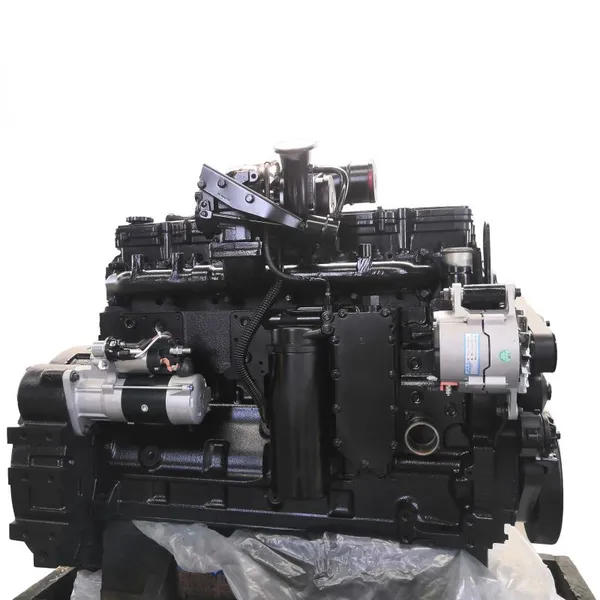
-
Dongfeng Shanghai SC11CB220G2B1 6-Cylinder Diesel Engine 162kw (220hp) SDEC 3306 New Condition Core Included Farm MachineryUS$ 6500.00MOQ: 1 Unit
-
ISUZU 4 Cylinder Diesel Engine 4BG1 Machinery Engines for Kobelco SK135 ExcavatorUS$ 6800.00MOQ: 1 Unit
-
130Hp Diesel Engine YC4D130 Yuchai Diesel Motor Price for TruckUS$ 3400.00 - 3600.00MOQ: 1 Unit
-
Shanghai SDEC SC9D220G2 162KW Diesel Engine for SEM922 SEM921 GraderUS$ 5320.00 - 5600.00MOQ: 1 Unit
-
Factory Outlet Sinotruk D1242 Engine Assembly for Construction IndustryUS$ 4615.00 - 4858.00MOQ: 1 Unit